Whitney Museum of American Art
New York
Cooper Jacoby
2026 Whitney Biennial
Mar 08, 2026
Aug 23, 2026
Excerpt from Cooper Jacoby interviewed by Jordan Carter
Whitney Biennale Catalogue, March 2026
CJ: That’s what really drew me to work with AI. I’m hesitant to say sentience, but it’s a sort of complexity that might as well be agency when you’re able to script an object’s field of possibilities in ways that are completely unpredictable to you. I made these AI-enabled benches[How do I survive? ] at the Hammer Museum, and I would get notifications that they insulted a visitor or said something surprising. And you’re like, “Wow, it’s really out there. I didn’t do that, but I guess it’s really engaging people.”
JC: I find parallels there with Conceptual art—the idea of mining archives or indexes or linguistic inventories. It does seem like you’re mining digital language sets in a comparable way.
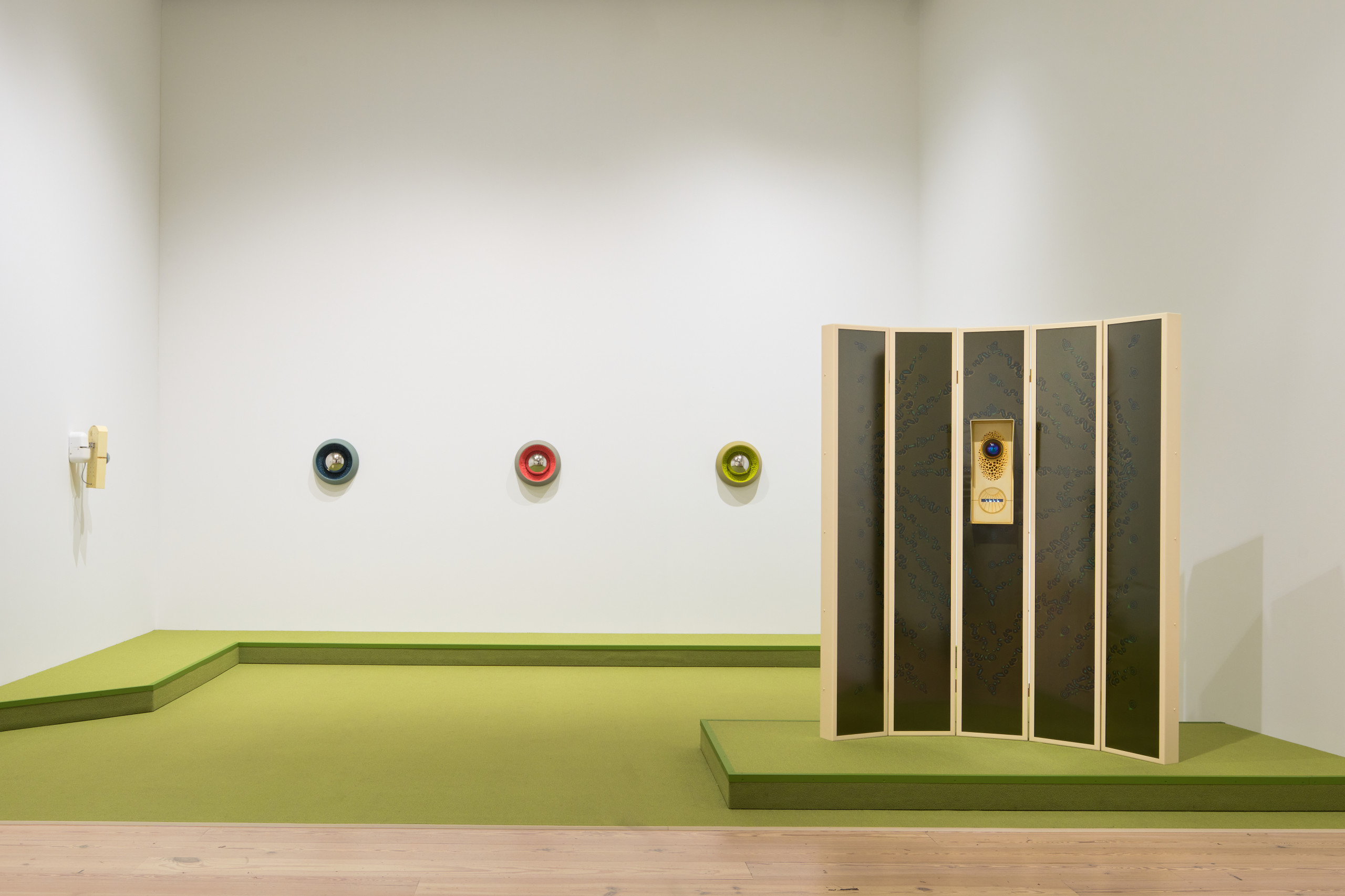
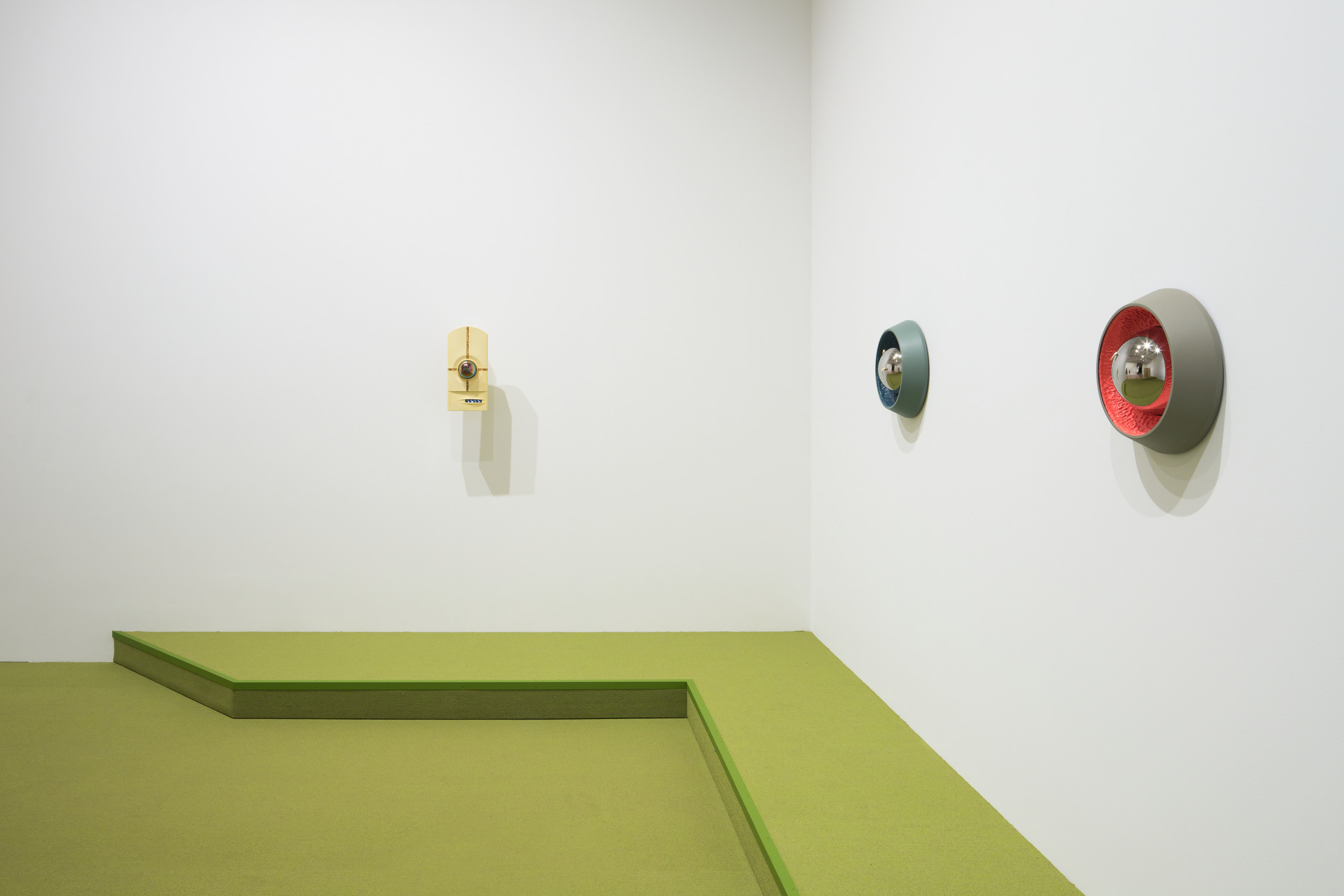
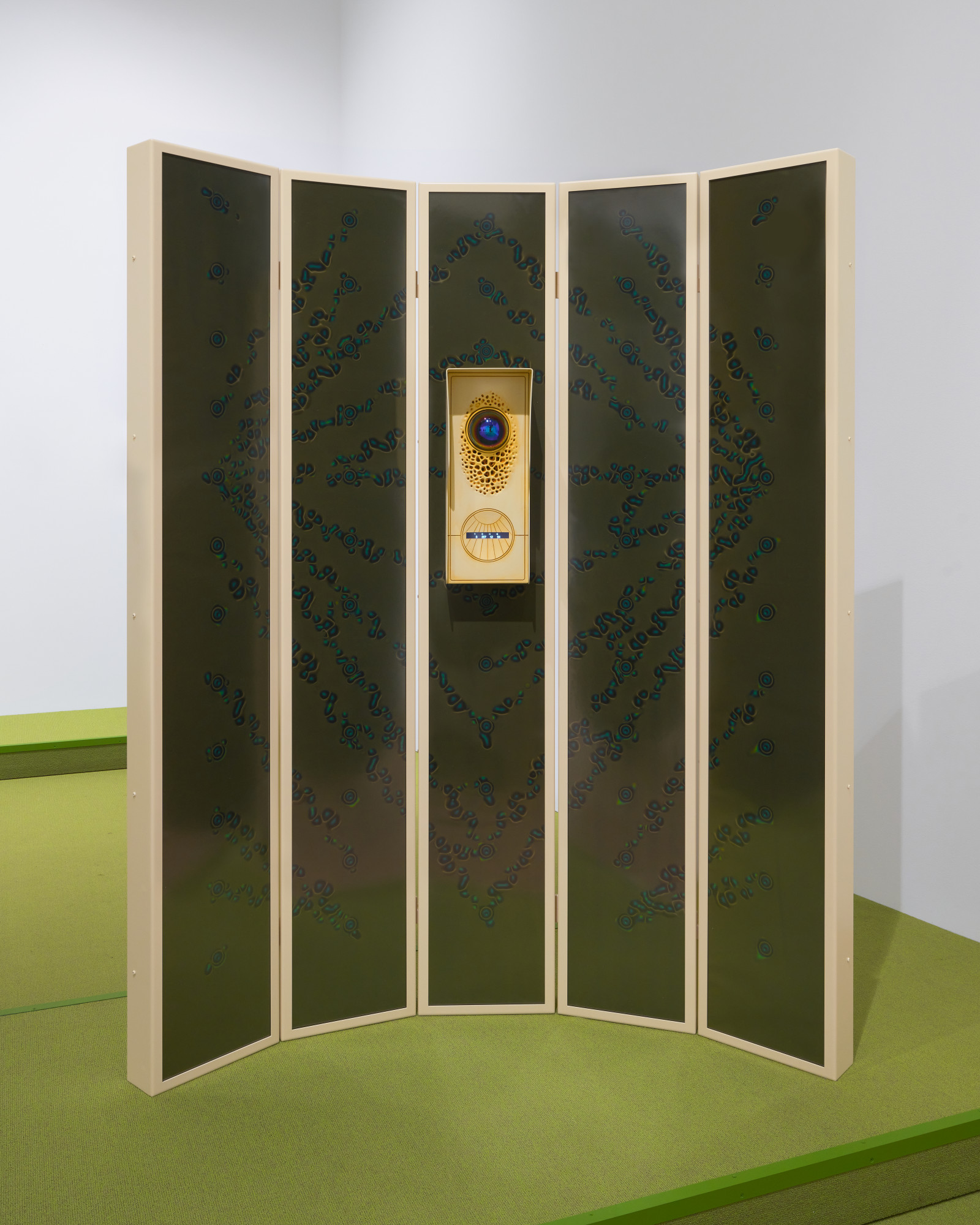
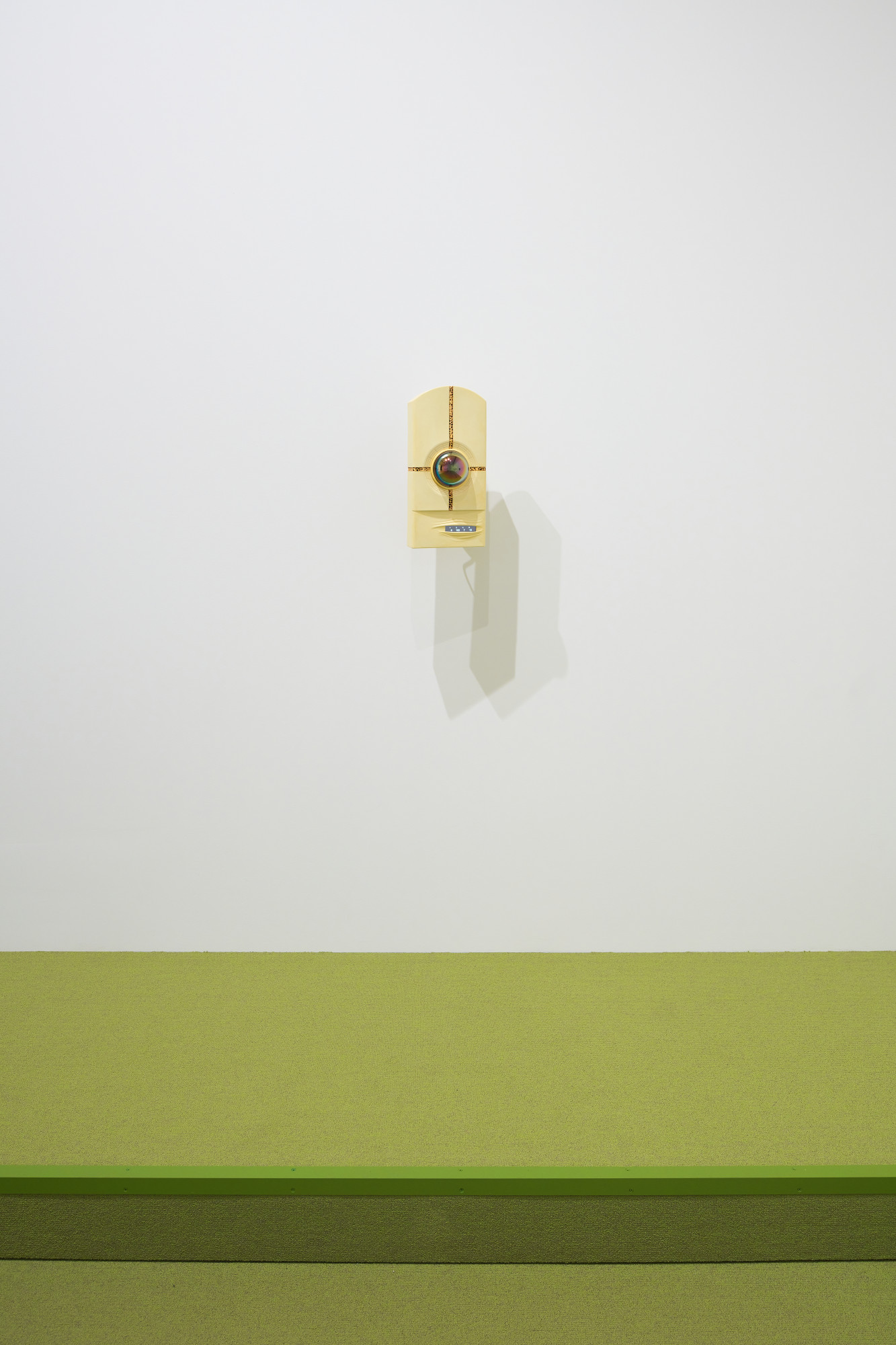
CJ: Absolutely. A lot of photo-text Conceptual art is essentially prompt engineering: write the idea into the prompt and produce all the versions of this concept. I’ve increasingly been interested in the provenance of the archive and data I’m using. With the intercom sculptures that I was making [Estate], I wanted to make this ghost in the machine, but in a kind of undeadway—a dead person’s social media profile inhabits the sculptures. What became the most fascinating to me, though, was how their voice changed from early social media to when social media becomes overtly performative and professionalized as everyone realizes they’re online. In 2008, it’s, “I’m in Chicago, eating a cookie,” and then by 2024, it’s, “please subscribe to my cookbook channel.”
JC: I want to think about the ideas of portraiture and biography, as you and your friends show up in your work by way of proxies. You described the series of works
in which you mobilize your friends’ voices to recreate the way these dead creatives speak as portraits, as well as the work in which you’ve used your own baby teeth.
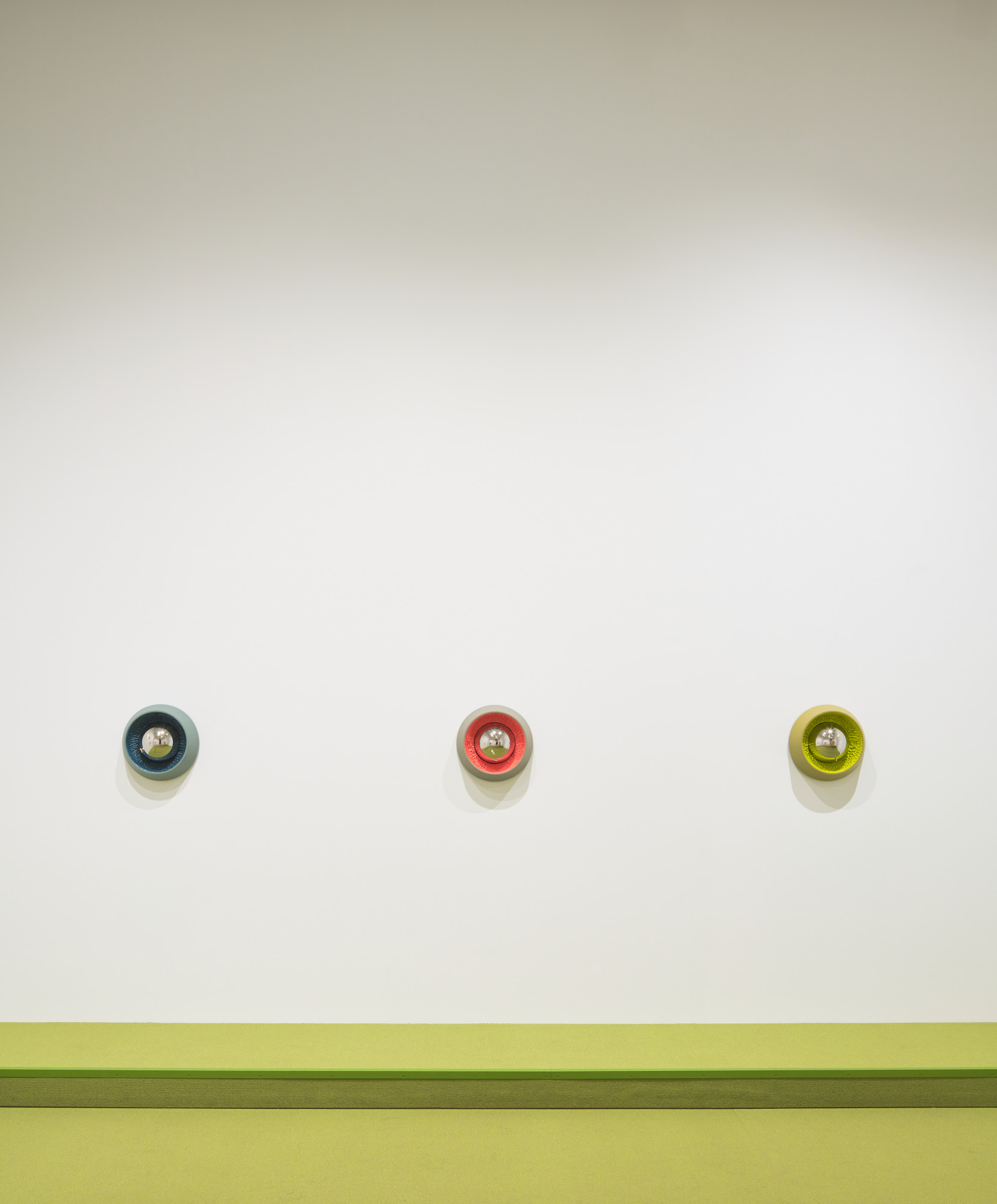
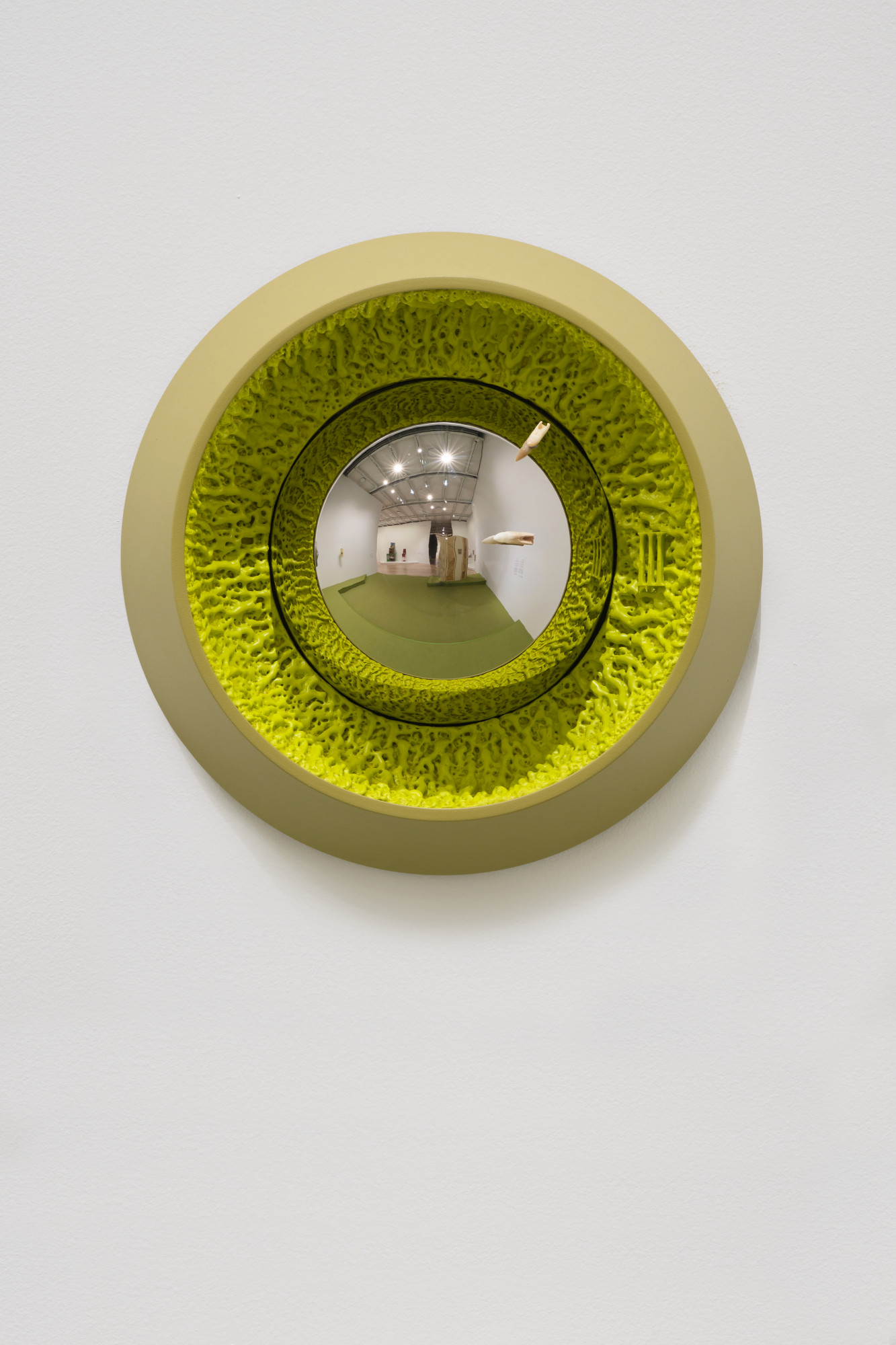
CJ: I thought, if I’m instrumentalizing the digital remains of anonymous people in these intercom works, I should instrumentalize myself in a way, which led to me using my baby teeth in the clockworks [Mutual Life]. It also came out of an exhaustion with biography, of being asked, “Where are you in the work?” My frustration with that led me to think, “Okay, I’ll give you something that’s the most valued or cherished material part of myself.” Baby teeth were also my first real encounter with the type of money exchange where something comes out of your body and you’re paid for it somehow, and that’s supposed to be even.
JC: A base, corporeal economy. These works with the clocks— the sort of pairing a cellular age with one’s time lived on earth— reminded me of Felix Gonzales-Torres’s Perfect Lovers[1987–90] the paired clocks that over time fall out of sync.
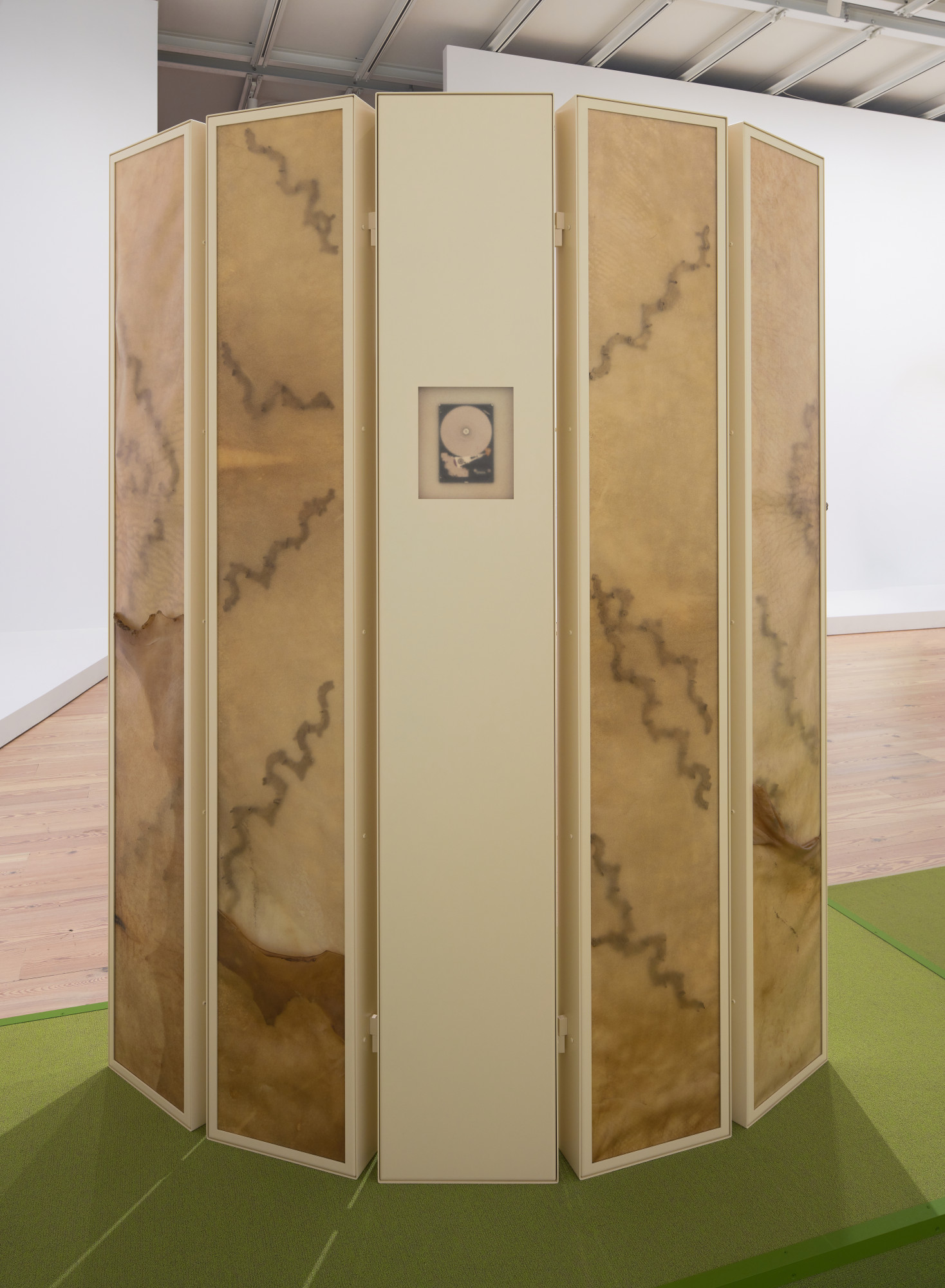
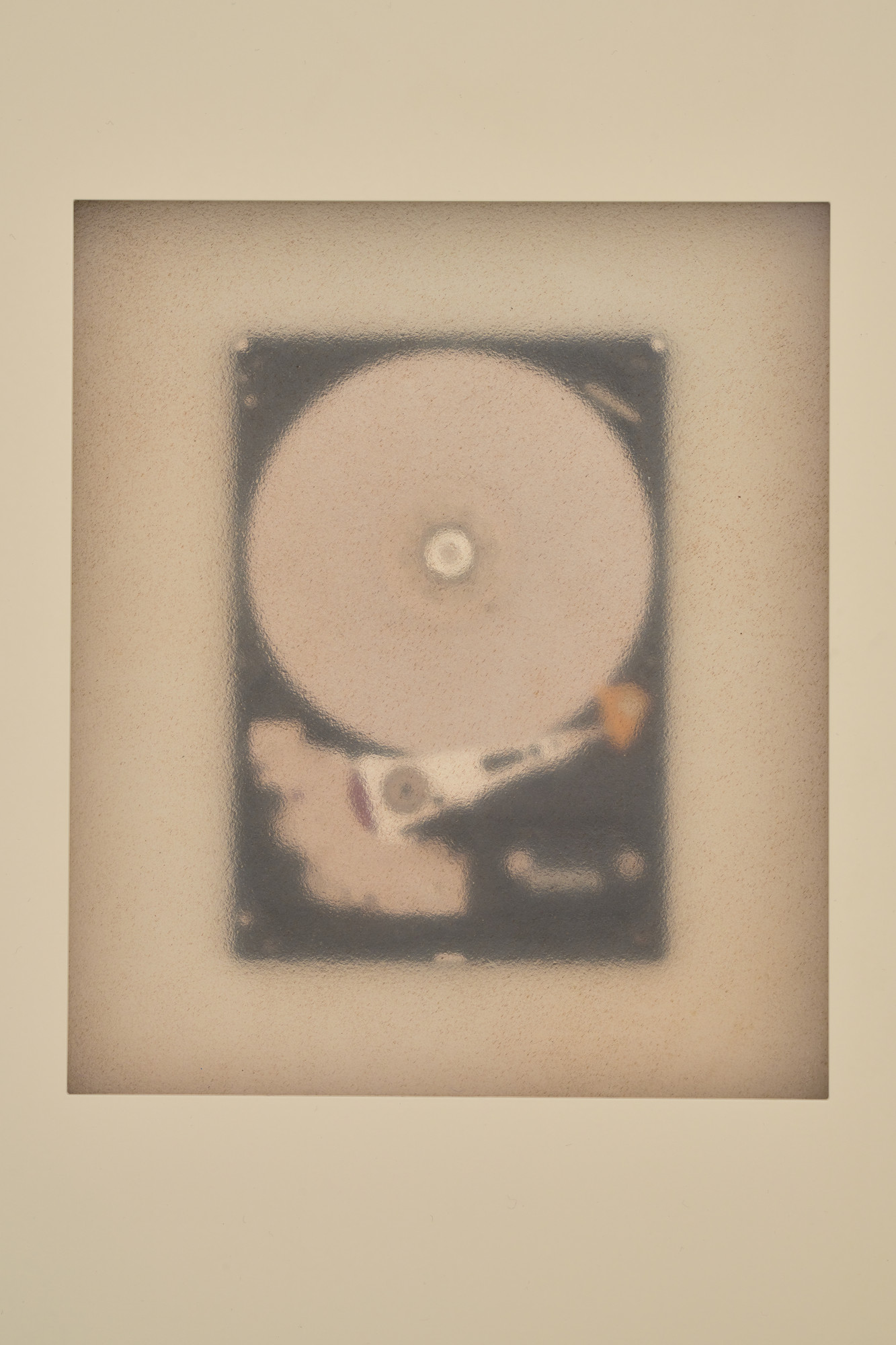
CJ: I started the clock works after I saw an offer to take this “biological clock test” to get a better rate on my health insurance. I got very interested in the history of life insurance, which was integral to the development of the stock market because industrial life insurance policies took the premiums paid by working-class people who might not ordinarily have invested and plowed those into capital markets. In both the Estate and Mutual Life works, I’m curious how life is increasingly assetized in different forms, whether it’s a data training set or actuarial; whether its your social media residue or better calibrating the window in which you’re likely to die.
PRESS:
Opening Day: Alex Jovanovich's Whitney Biennial Standouts in Artforum
First Looks at the 2026 Whitney Biennial: Politics, Memory and Unexpected Emotion in Artnet
The 2026 Whitney Biennial Just Wants You to Feel Something in Artnet
In the Whitney Biennial, Artists Explore the Horrifying Boundary Between Human and Machine in Art News
The Whitney Biennial Swaps Identity Politics for Infrastructural Interventions in Art News
Our Critics Are Split on the Weirdest Whitney Biennial in Recent Memory in Art News
Whitney Biennial 2026 Review: The Revolution Will Be Cute in Art Review
Is the 82nd Whitney Biennial Weird Enough to Match Our Chaotic National Mood? in Cultured Magazine
Whitney Biennial 2026 Review by R.H. Lossin in e-flux
Discover the Standout Works at This Years Whitney Biennial in Gallery Magazine
The Polycrisis Sublime of the Whitney Biennial in Hyperallergic
The 2026 Whitney Biennial Delivers American Art for a Fractured Age in Observer
The Show the Art World Loves to Hate Gets a Soul in The New York Times